
This page is dedicated to showing how the perceptions of disability changed during WWI. Destigmatisation, new laws surrounding the poor, and changes in medical terminology impacted the way society viewed disabled people.
Disability before WWI
Mental Disability
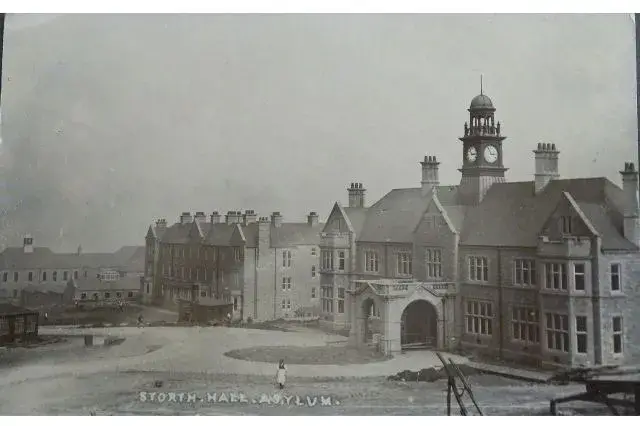
In the Twentieth Century, there was a belief that before WWI, lunatic asylums were associated with mentally ill people in a way that kept them isolated from society. Historians suggested that the rural locations of these asylums were meant to segregate the ‘mad’ from the ‘sane.’
More recently however, the historical discourse on pre-war asylums debates that families had done all they could to contain their situation. Asylums were a last resort for seriously mentally ill patients.
There were different categories of lunacy, of which pauper lunacy was the most looked down upon by society. The stigma around being poor, specifically a pauper, meant shame was cast upon the families of pauper lunatics, as there was a notion of inherited deficiency.
Physical Disability
Before the age of welfare in the 19th century, individuals with physical disabilities such as missing limbs often had to rely on charities or committees to pay for prosthetics. These requests were sometimes denied, for example if the individual was not working.
The sense of the ‘deserving’ and ‘undeserving’ poor continued into the 20th century. To be ‘deserving’ of charity, a person had to be in work and trying to better themselves.
People with physical disabilities such as blindness, epilepsy, or deafness, were often labelled as defective.
Image of lunatic pauper asylum in West Yorkshire in the late 19th Century.
Disability During WWI
Mental Disability
Physical Disability
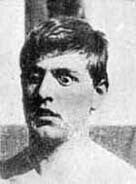
Veterans who experienced ‘war neurosis’ or ‘shell shock’ were originally sent to ordinary military hospitals, but it quickly became clear that they required a separate categorisation, as well as different treatment.
Functional paralysis and neurasthenia were differentiated from severe mental disorders. There was still a suspicion around the notion of genuinely neurotic veterans, since other veterans appeared in every day life as unproductive labourers claiming neurosis compensation from the state.
The methods used to treat ‘neurosis’ were harsh, such as electric shocks.
Some veterans were wrongly diagnosed with ‘neurasthenia,’ when they had physical health conditions, such as a lieutenant named J.L Campbell-White, who was actually suffering from tuberculosis. This not only made a difference in treatment, but also in the amount of retirement pay he was given from the Ministry of Pensions.
Veterans with physical disabilities were awarded a higher retirement compensation, showing that mental disabilities were still not being taken as seriously.
Of the seven categories of disabled people created by medical professional C. W. Hutt, six of them concerned physcially disabled people.
Rheumatism, tuberculosis, blindness, deafness, paralysis, and loss of limbs.
There were several treatments implemented which had been unavailable pre-war, such as psychotheraputic treatment for paralysis, lip reading classes for the deaf, and special treatment in orthopaedic hospitals.
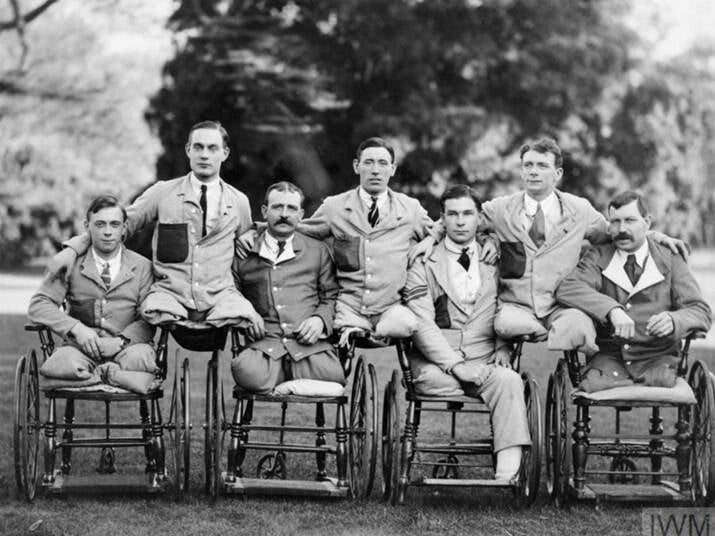
WWI produced a new class of disabled people. It meant that disability was no longer associated with the ageing process, or the poverty and danger that came with civilian life.
20th century historians suggest that post-war, disabled veterans were often left to fend for themselves, socially isolated and invisible to wider society, relying on begging and charities to survive.
However, a letter sent by the President of the Local Government Board to the Board of Guardians stated that no disabled veteran should have to seek poor law relief. Even though, the Board acknowledged, they cannot prevent every disabled soldier from begging or entering the workhouse, they have started a supreme effort to diminish these results of war.
More on the efforts taken by the government to improve veteran lives is stated below.
Legislation and Funding
How did WWI impact the treatment of veterans and civilians?
Funding for Disabilities
The outbreak of WWI immediately required all of the expenditure that was being used for non-essential services, which included funding for disabilities. This meant that the building of special institutions was stopped. Outdoor pauperism decreased by 40% from 1910-1917. Modern historians have recognised that pauperism can be attributed to low and irregular wages before 1914, as opposed to ‘immorality, improvidence, and indolence,’ as was suggested at the time.
One study from Sterling University found that destabilising events such as death or disability of the main household earner placed the family in immediate difficulty. Two thirds of poor relief applications in September 1914 were caused by these adverse personal events.
When the war started and rates of physical disability increased with wounded soldiers, new legislation had to be put in place to prevent inevitable rates of poverty for both returning soldiers and their families. The Injuries in War (Compensation) Act 1915, for example, granted pensions and other allowances to certain persons if injured whilst employed in the army.
Legislation
As well as the Injuries in War (Compensation) Act 1915, several other laws were implemented during and after the war to support disabled veterans, and prevent poverty for them and their families.
In the same year, the Mental Treatment Bill was passed, to ‘facilitate the treatment of mental disorders arising from wounds, shock, or other causes.’ This Bill categorised veterans with ‘shell-shock’ as different from lunatics, to prevent the stigma around lunacy from being attached to them. It also recognised that licensed houses and mental institutions were less accessible to poor people.
Post-war, Britain aimed to avoid a specific group of war victims which would benefit from certain rights, but consequentially more rights were given to civilians, which they would not have been given, had it not been for WWI. For example, the 1921 Poor Law Emergency Provisions Act gave poor relief to able bodied people, provided that they were unemployed and destitute, unable to find work. This benefitted both civilians and veterans, and marked a shift from the concept of the ‘deserving’ and ‘undeserving’ poor of the late 19th century.
You can find more legislation using the link below:
Socials
Our Aim:
To raise awareness for current global issues, and disabilities caused by conflict, especially for those who may not be able to raise awareness for themselves.